

A nationwide survey conducted by Y-PES Ghana has revealed a significant gap in youth awareness of public policy in Ghana, with the majority of young people reportedly unaware of the country’s National Youth Policy.
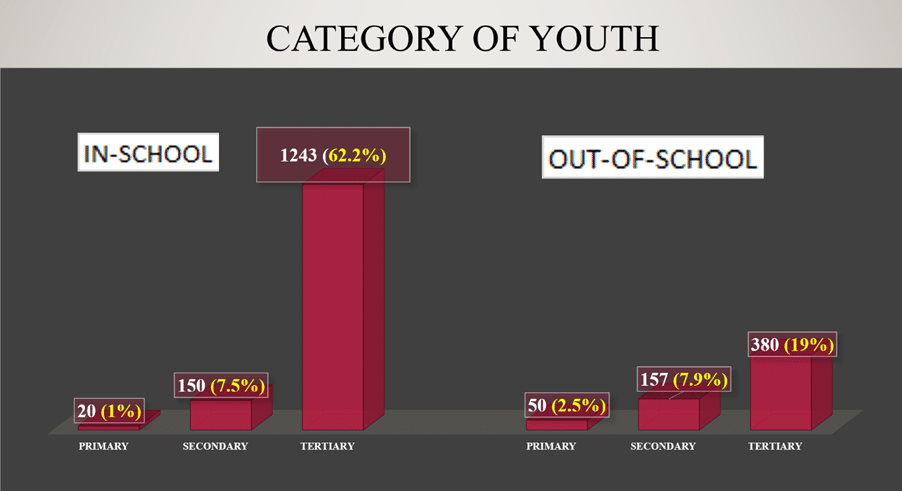
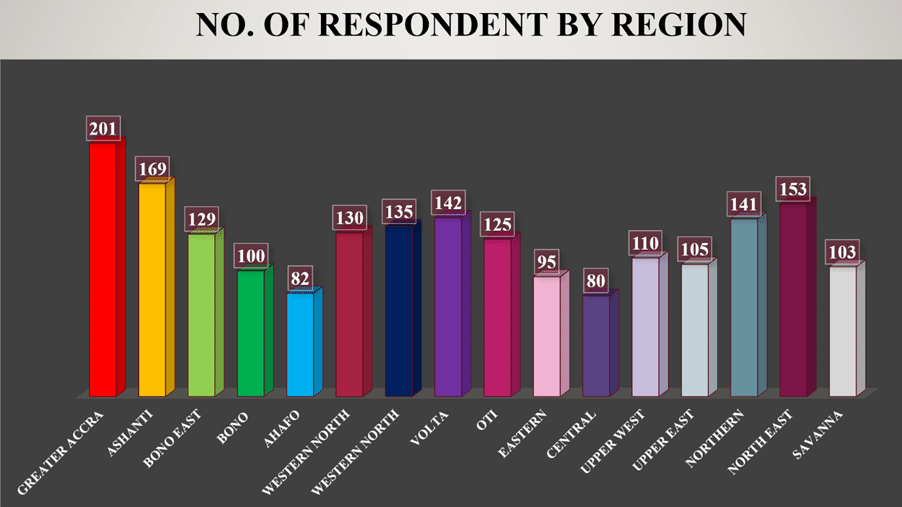
The findings, disclosed by Executive Director Mumuni Sulemanna, emerged from a year-long study involving nearly 2,000 young people across all 16 regions of the country. The survey, administered through an online questionnaire, captured responses from participants of diverse educational, social, and economic backgrounds.
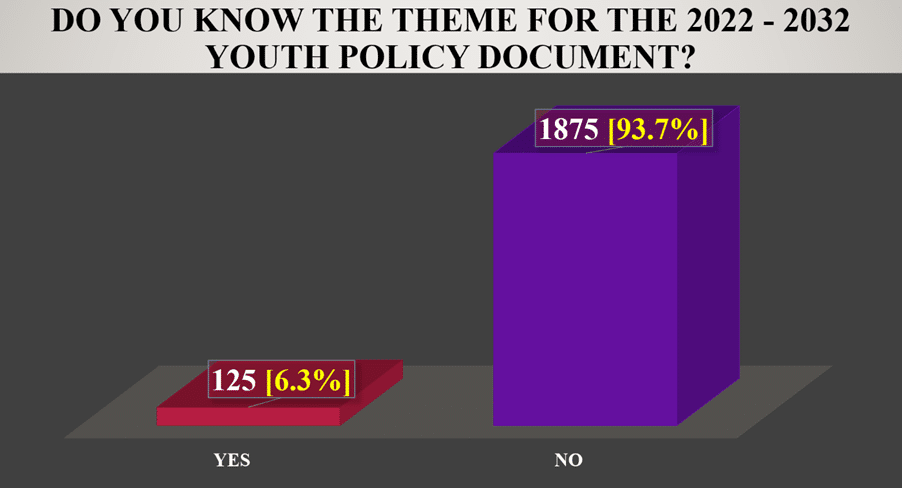
According to Mr. Sulemanna, the results highlight a concerning disconnect between governance and youth engagement. “About 91.2 percent of respondents indicated they had never heard of the National Youth Policy, despite it being in existence for almost five years,” he said while addressing participants at a leadership and capacity-building programme for Senior High School prefects.
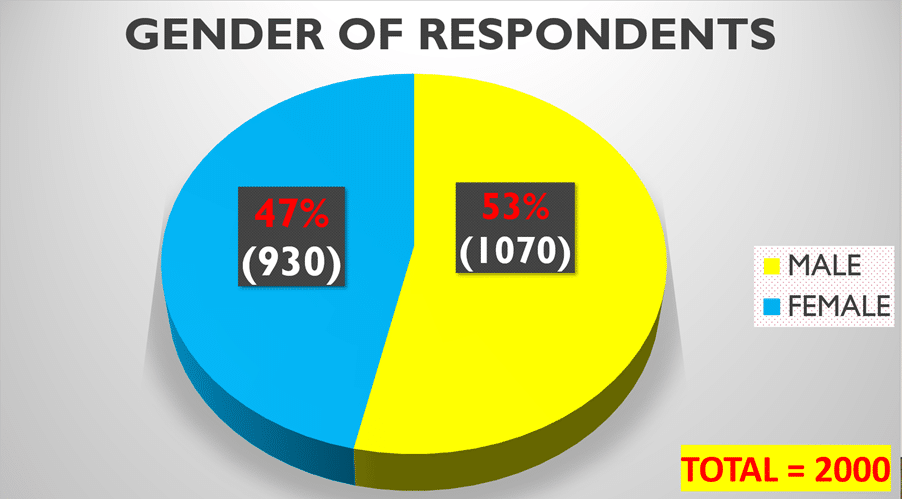
The demographic breakdown of respondents showed a relatively balanced representation, with 54 percent male and 46 percent female participants.
Mr. Sulemanna noted that the findings raise critical questions about the effectiveness of policy communication and civic education in the country. He stressed that policies designed to influence youth development—covering areas such as education, employment, leadership, and civic participation—cannot achieve their purpose if the intended beneficiaries remain uninformed.
“If young people are not aware of the policies created for them, then we must question whether sufficient efforts have been made to bring governance closer to them,” he stated.
He called on key state institutions, including the National Youth Authority and the National Commission for Civic Education, to strengthen nationwide awareness campaigns and expand civic education initiatives targeting schools, communities, and youth groups.
In addition, Mr. Sulemanna urged the government to ensure the timely release of statutory funding allocations for youth development, particularly the five percent share of the District Assemblies Common Fund earmarked for the National Youth Authority.
He emphasized that many young people continue to face persistent challenges, including unemployment, limited economic opportunities, and inadequate support systems—factors that underscore the urgency of sustained investment in youth empowerment.
Commenting on past spending priorities, Mr. Sulemanna expressed concern over the allocation of youth funds toward the construction of sports facilities, commonly referred to as Youth Resource Centres. While acknowledging the importance of sports infrastructure, he argued that such investments may not fully align with the core mandate of youth development institutions.
“In my view, the priority should be on developing human potential—through entrepreneurship, innovation, leadership training, skills development, and mentorship,” he said.
He concluded by urging policymakers, civil society organizations, and development partners to pay closer attention to the perspectives of young people and to ensure that youth policies translate into practical, impactful initiatives.
The survey’s findings add to growing calls for more inclusive governance and highlight the need to bridge the gap between policy formulation and youth awareness in Ghana.